Women have played an important role in the LEGO community for years, from designers working behind the scenes at LEGO to adult fans sharing their builds online. During Women’s History Month, it is a good moment to recognize the many women who build, create, and shape the hobby in their own ways.
When people hear the word builder, many still picture a man on a construction site, a child stacking blocks, or someone working on something loud, technical, and traditionally masculine. That image has been repeated for so long that it can feel normal, even though it leaves out many people who build every day in meaningful ways.
Women have always been builders too.
They build careers, communities, homes, ideas, art, routines, and creative spaces. They also build with LEGO. Sometimes that looks like large custom creations, detailed display shelves, or convention-worthy collections. Other times it looks much quieter. A bouquet on a desk. A flower arrangement on a shelf. A calm hour spent following instructions after a long day.
That quieter version matters too.
Women’s History Month is a good time to celebrate the many women who shape the LEGO community, from designers working behind the scenes to adult fans sharing their creativity online. It is also a good time to recognize that building does not have to look one specific way to count.
Building can be decorative. It can be calming. It can be personal. It can even be healing.
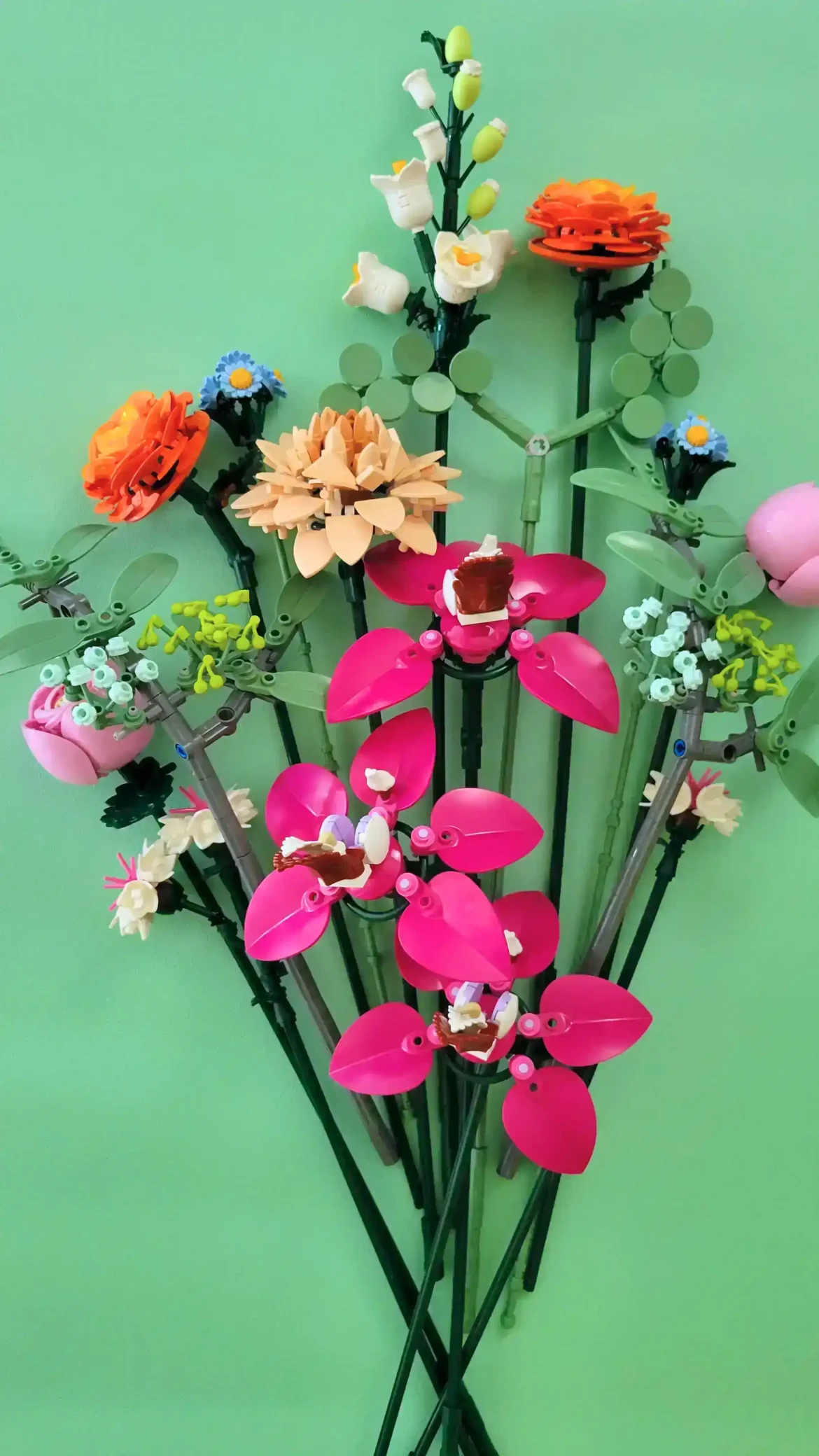
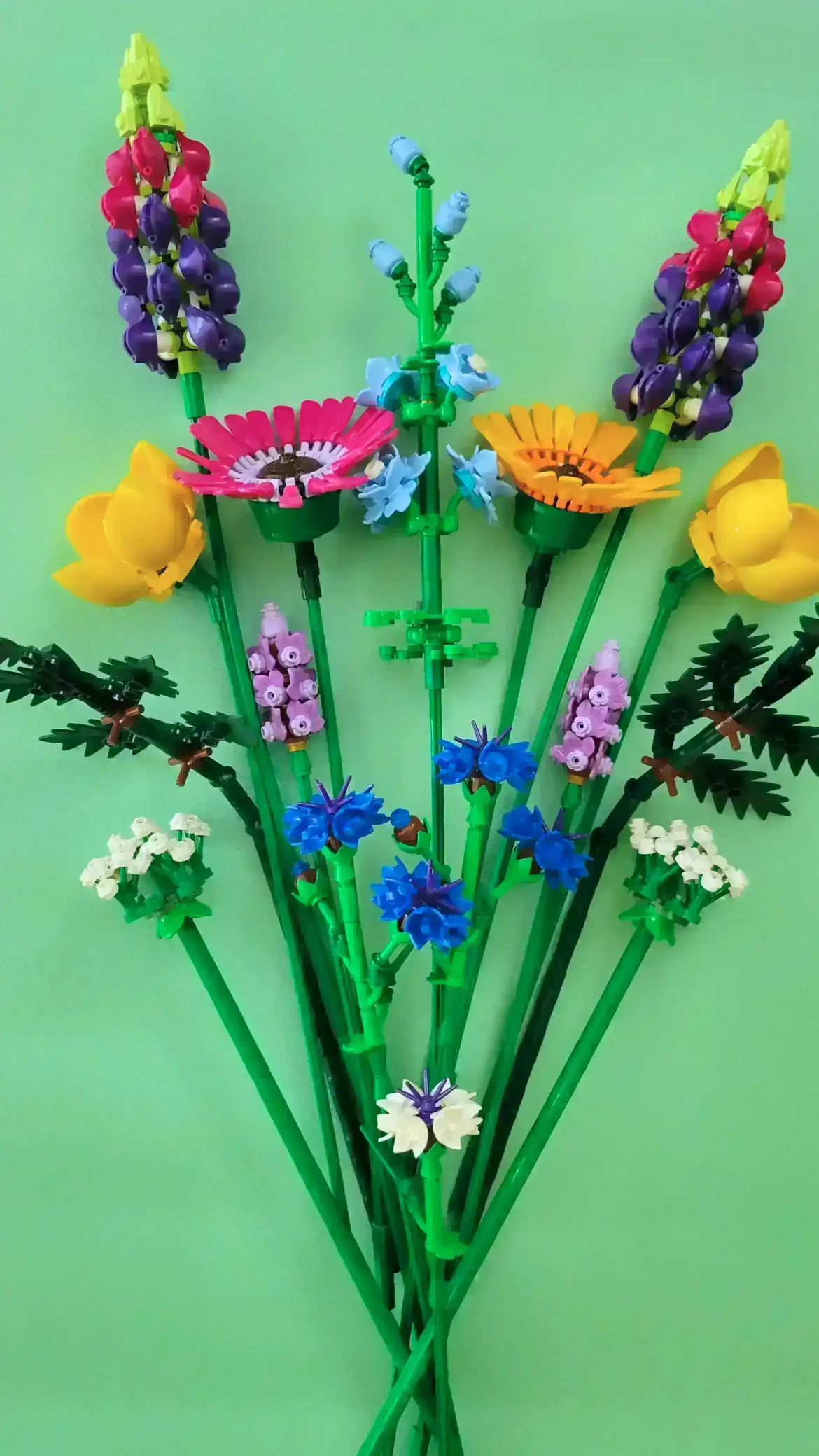
One of the clearest examples of that shift is the growing love for the LEGO Botanicals collection. For many women, these sets are not just collectibles. They are a creative outlet, a reset hobby, and a simple way to make something beautiful without pressure.
Table of Contents
Women Have Always Been Builders
For a long time, building has been framed too narrowly. If it did not look mechanical, architectural, or physically intense, it was less likely to be recognized as “real” building. That mindset shaped how toys were marketed, how hobbies were discussed, and even how people saw themselves.
LEGO has started acknowledging that problem more directly in recent years. Campaigns like “She Built That” were created to challenge the stereotype that building belongs more naturally to boys and men. The message behind that campaign was simple but important: girls and women are builders too, and creativity should not be filtered through outdated expectations.
That message matters because the confidence gap often starts early. When people grow up seeing building linked more often to masculinity, they can begin to underestimate their own creativity before they have even had the chance to explore it fully.
The truth is that building has always included more than bricks, blueprints, or construction sites. Building also means problem-solving, arranging, designing, styling, experimenting, and creating something from nothing. That broader definition makes room for the many ways women already build, both inside and outside the LEGO community.
Women who build with LEGO today represent many different approaches to creativity. Some focus on large custom creations or complex builds. Others are drawn to smaller projects, decorative displays, or relaxing builds like those found in the LEGO Botanicals collection.
All of these approaches are valid forms of building, and together they show how much broader the LEGO hobby has become.
Women in the AFOL Community
The AFOL community, short for Adult Fans of LEGO, has grown in many directions over the years. What was once easy to stereotype as a niche hobby now includes collectors, artists, photographers, designers, educators, content creators, and decor-focused builders from all kinds of backgrounds.
Women have been part of that growth in meaningful ways.
More women are sharing their builds online, showing how LEGO fits into real homes, creative routines, and everyday life. Some focus on display and styling. Others create stop-motion videos, photography, or custom builds. Some are drawn to architecture and technical sets, while others gravitate toward more decorative themes like the LEGO Botanicals collection, where the finished display feels just as important as the building process itself.
That visibility matters. The more women see other women building, collecting, styling, and creating, the easier it becomes to recognize the hobby as something open to everyone.
It also expands how the LEGO community looks. Not every builder wants a giant technical challenge, and not every shelf needs to be filled with vehicles or blockbuster themes. Some builders want flowers, color, softness, and displays that feel at home in a living room, office, or creative studio.
That perspective adds range and depth to the hobby. The LEGO community becomes stronger when different styles of creativity exist side by side, each showing a different way to enjoy building.
Women Behind LEGO Design
Women are not only part of the LEGO fan community. They are also part of the creative teams behind the sets themselves.
In recent years, LEGO has highlighted female designers in official features around International Women’s Day, including women working in model design, graphic design, element design, and experience design. Their stories show that creativity in toy design often begins early, but recognition and opportunity have not always been equal.
That imbalance matters because design influences everything. It shapes what gets made, how it looks, how it functions, who feels invited into the hobby, and what kinds of stories a set can tell. When design teams become more diverse, the final products tend to reflect a wider range of experiences and creative perspectives.
Some community researchers have also worked to document and highlight women LEGO designers whose contributions were not always fully visible in instruction booklets, designer videos, or public announcements. Their work helps bring attention to designers who have shaped the LEGO system over the years, even when they were not always given the same spotlight.
Recognition may still have room to grow, but the impact of women in LEGO design is already there. Every set, theme, and creative direction reflects the ideas of the people who helped bring it to life.
LEGO as a Creative and Confidence Building Hobby
One of the reasons LEGO connects so deeply with adults is that it offers something many people are missing: focused, hands-on creativity without pressure.
There is no deadline. No perfect result. No expectation that what you make has to be practical or productive in order to be worthwhile. That alone makes it powerful.
For many women, especially those balancing work, caregiving, stress, or the general noise of everyday life, LEGO can become a kind of reset button. The repetitive motions help slow the mind down. The instructions give structure without pressure. The finished build gives a sense of progress that feels satisfying in a very clear and simple way.
That is part of why LEGO can feel like a confidence-building hobby.
You open a box, follow the process, solve small design challenges along the way, and end up with something tangible and beautiful. Even when a build is simple, it still reminds you that you can create something with your hands. That feeling should not be underestimated.
For many adult builders, sets like those in the LEGO Botanicals collection highlight this experience particularly well. These builds combine the relaxing rhythm of LEGO building with decorative results that naturally fit into everyday spaces, turning a creative hobby into something that can live on a shelf, desk, or wall.
A hobby does not need to be intense to be meaningful. Sometimes calm is exactly what makes it meaningful.
Why LEGO Botanicals Connect With So Many Women
The LEGO Botanicals collection connects with many women because it sits at an interesting intersection between building, creativity, and home decor. It offers the satisfaction of a hands-on LEGO build while also creating something that feels natural to display in everyday spaces.
That combination is a big part of the appeal.
A bouquet, potted plant, or floral arrangement does not feel like something you need to explain or justify. It fits easily on a shelf, desk, nightstand, or dining table. Unlike some themes that feel more like collectibles, these builds blend naturally into real homes. For decor-focused builders, that makes the hobby feel even more personal.
There is also a quiet emotional comfort in building flowers that do not wilt, do not need watering, and do not require constant care. You still get the beauty, color, and symbolism of flowers, but without the maintenance or worry that comes with keeping real plants alive.
For many adult builders, LEGO Botanicals become more than just a collection. They become:
a reset hobby after stressful days
a calm creative activity that feels restorative
a confidence building hobby that turns creativity into something visible
That combination helps explain why so many women are drawn to these sets. They offer creativity without pressure and beauty without complication, which makes them easy to return to again and again.
Women Using LEGO as Art and Decor
One of the most interesting shifts in the LEGO hobby is how often finished builds become part of a person’s decor instead of being stored away after the build is complete.
That is especially true with LEGO Botanicals.
Many builders are using these sets in ways that feel artistic and personal. Bouquets go into real vases. Potted builds are styled on bookshelves. Floral frames become part of wall decor. Individual stems are mixed with thrifted containers, glassware, candles, and books to create displays that feel intentional and lived in.
At that point, LEGO stops being only a toy or even just a building set. It becomes a creative medium.
Styling a shelf well takes an eye for balance, color, and scale. Arranging flowers, even brick-built ones, still involves design thinking. Choosing where a build fits within a room is part of the creative process too.
This is one of the reasons LEGO Botanicals feel so natural in women-led creative spaces. The sets leave room for interpretation. You can build them exactly as designed, but you can also restyle, rearrange, photograph, and experiment with different displays over time.
For many adult builders, that flexibility is part of the fun. A single bouquet can become part of a seasonal display, a centerpiece on a table, or a decorative accent on a shelf.
The builds stay the same, but the creativity keeps evolving.
Creativity Looks Different for Everyone
Not every builder wants the same thing from LEGO, and that is a good thing.
Some people want a technical challenge. Some enjoy nostalgia. Some care most about display value. Others want a relaxing project that helps them disconnect for a while. Some people build with friends or partners, while others prefer quiet solo building sessions.
All of those reasons are valid.
Hobbies are often judged by how impressive they look from the outside. Large builds tend to attract the most attention. Technical creations often get treated as more serious or more skilled. But creativity does not always need to be loud or complex to matter.
Sometimes creativity is small, soft, and personal.
Sometimes it looks like building a wildflower bouquet with a friend while talking about life. Sometimes it looks like splitting a LEGO Botanicals set with a partner and smiling every time you see the flowers on the shelf because they remind you of that moment.
Sometimes it is as simple as placing a small plant build on a desk and realizing that something you made with your hands can make your space feel calmer.
Those moments count.
The LEGO community becomes stronger when there is room for different kinds of builders, different kinds of creativity, and different reasons for building. Not every build needs to be massive, technical, or convention-ready to be meaningful.
Sometimes creativity just means taking the time to build something that makes you happy.
Final Thoughts
Women’s History Month is a meaningful time to recognize the many women who build in every sense of the word.
That includes the women designing LEGO sets behind the scenes. It includes the women sharing their collections and creativity online. It includes the women using LEGO as art, decor, and self-expression inside their homes.
It also includes the women who simply open a box after a long day and spend an hour building something beautiful for themselves.
The LEGO community becomes stronger when more kinds of builders feel seen and represented. Creativity does not need to follow one specific style, theme, or level of complexity to matter. What matters is the joy of building and the freedom to explore that creativity in a personal way.
That is one of the reasons the LEGO Botanicals collection resonates with so many adult builders. These sets make space for a version of LEGO building that feels calm, thoughtful, and deeply creative without needing to be competitive or technical.
Sometimes building looks like a skyline or a complex machine.
Sometimes it looks like a shelf full of flowers.
Both are valid. Both are creative. And both deserve to be celebrated.
Frequently Asked Questions
Why is Women’s History Month important in creative communities?
Women’s History Month recognizes the contributions women have made across many fields, including art, design, technology, and creative hobbies. In communities like the LEGO fan community, it is an opportunity to highlight the women who design sets, share builds, create content, and inspire others to explore creativity.
Are there many women in the LEGO fan community?
Yes. The adult LEGO fan community (often called AFOL, meaning Adult Fans of LEGO) has grown to include builders, photographers, collectors, designers, and content creators from many different backgrounds. In recent years, more women have shared their builds and collections online, helping expand how people see the LEGO hobby.
Why do many women enjoy LEGO Botanicals?
Many adult builders enjoy LEGO Botanicals because the sets combine creativity with decor. The builds are relaxing, visually appealing, and easy to display in everyday spaces like shelves, desks, or living rooms. For many people, they offer a calm creative hobby that also adds something beautiful to a home.
Can LEGO be used as home decor?
Yes. Many adult builders display LEGO sets as part of their home decor. Sets like the LEGO Botanicals collection are especially popular for this because bouquets, plants, and floral displays naturally fit into living spaces. Builders often place them in vases, on bookshelves, or incorporate them into styled displays.